
The road the cloth travelled
In the sixteenth century our family span and wove by hand. The work is called soot katna, the drawing out of thread, and it is the slowest part of making cloth. It is also the part that decides everything after it. Thread pulled evenly takes dye evenly, holds embroidery without puckering, and outlasts the person who wore it first.
That cloth travelled. Out of India through the ports of the Arabian Sea, across Persia and Arabia, into Venice and Genoa and the courts that bought there. It changed name at every border it crossed.
What reached Europe was sold as European. The technique was not credited, the hands were not named, and the profit stayed at the end of the road.
VALAJI is the same work, under its own name.
Private Commission
One piece, made once, for one person. Hand-wrought in the Valaji atelier, in techniques our family has worked since the sixteenth century.
The archive
Zardozi. Zari. Karigari.
Five works from the archive, at the scale they are worked.
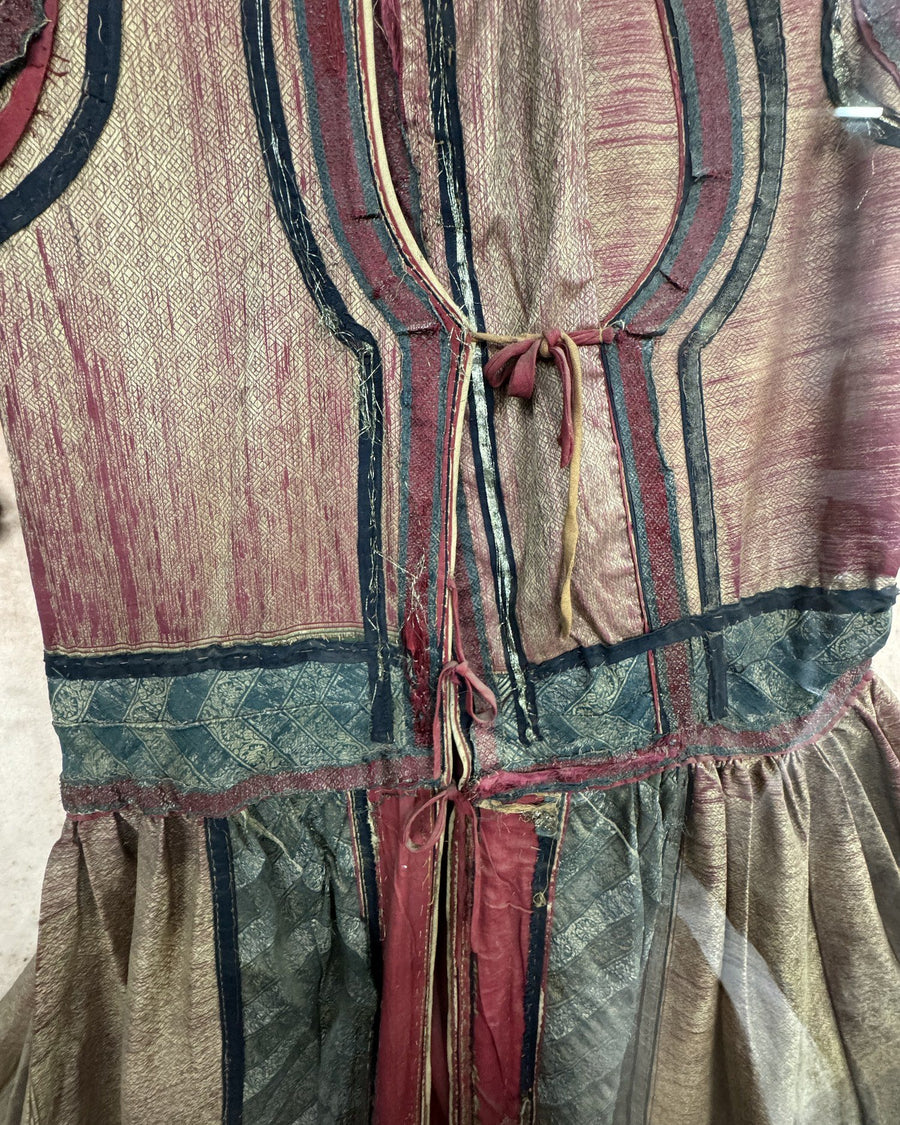
Zari
Metal-wrapped thread, woven into the ground cloth. The borders are couched, laid on the surface and stitched down along their length.
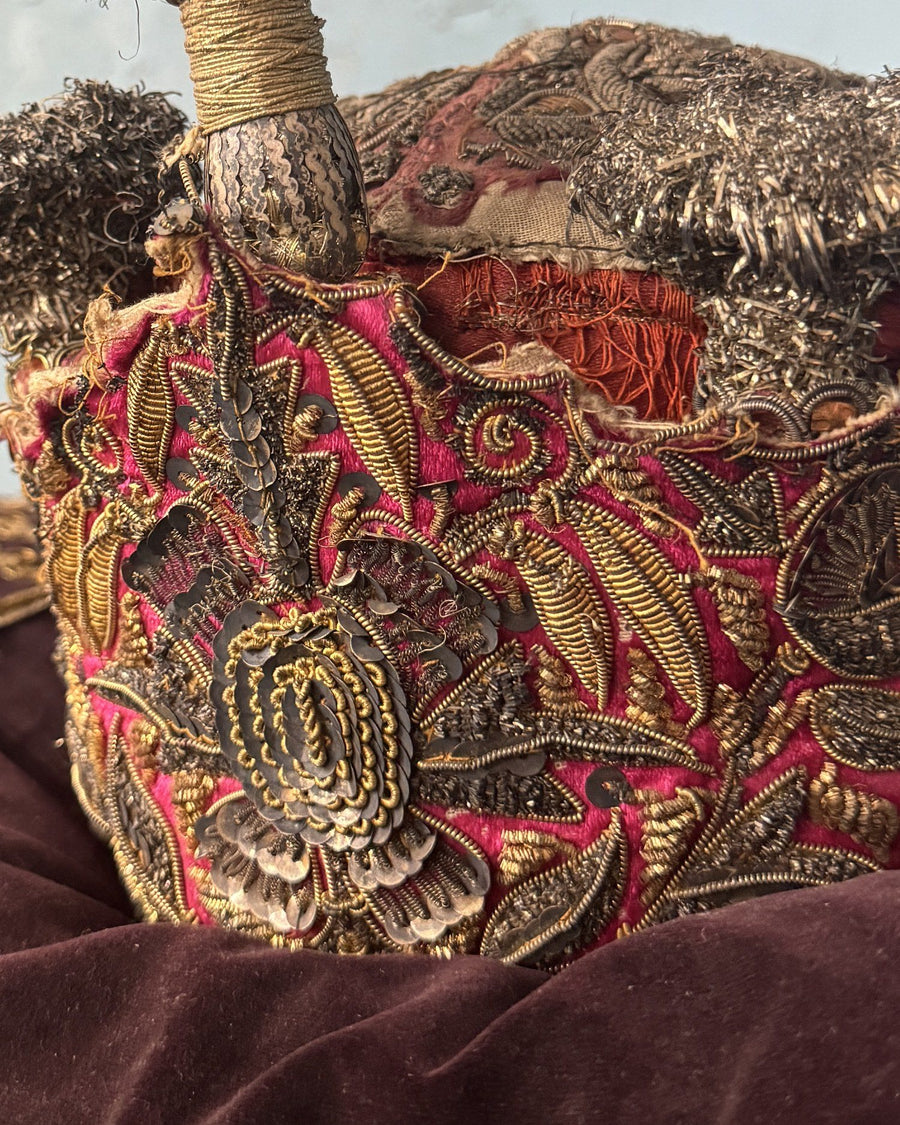
Zardozi
Coil, purl and sequin worked onto silk with a hooked needle. Each element is set by hand, one at a time.

The Dupion Silk
Cream dupion silk, cut short and close. Freshwater pearls are set by hand into a lattice band at the hem and along the cuffs, outlined in gold zari. Made to order, at the pace the work takes.
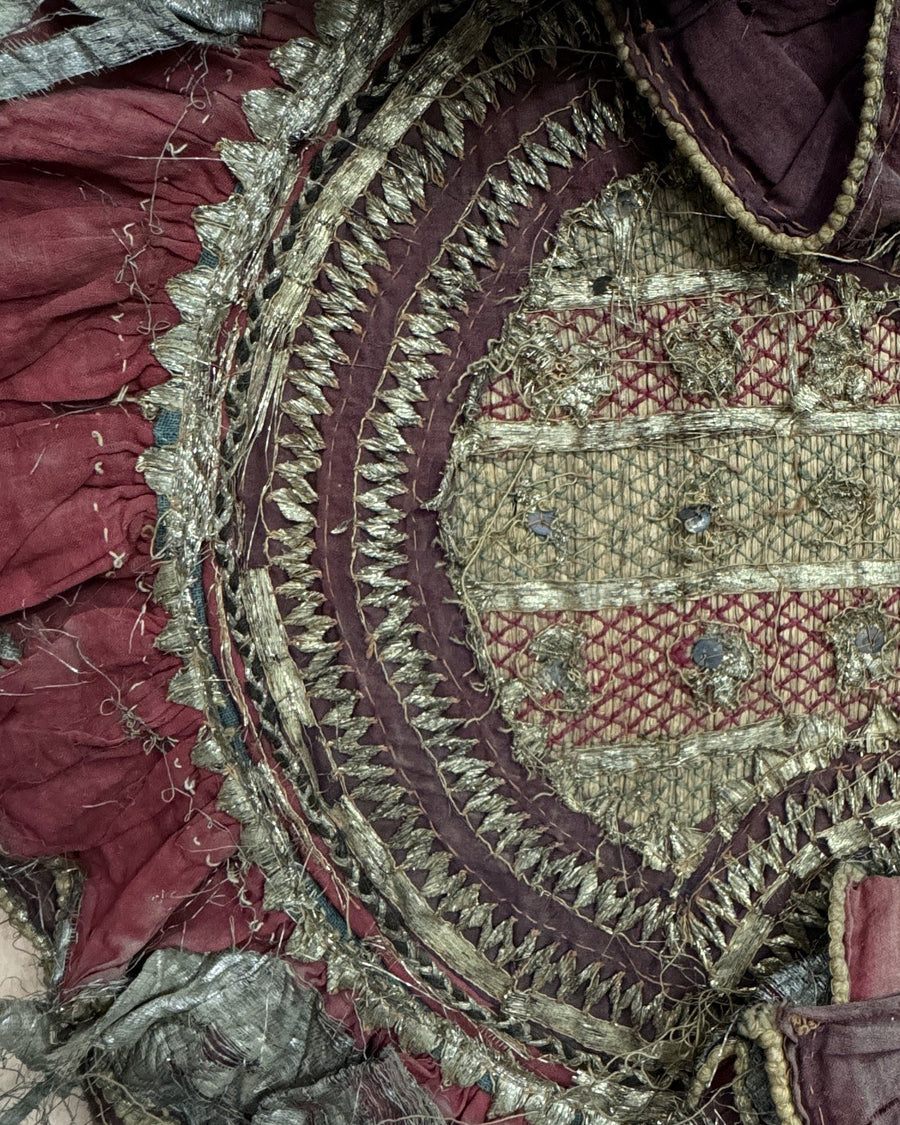
Karigari
A medallion built in concentric registers. Every ring is a different stitch, and the count changes as the circumference grows.
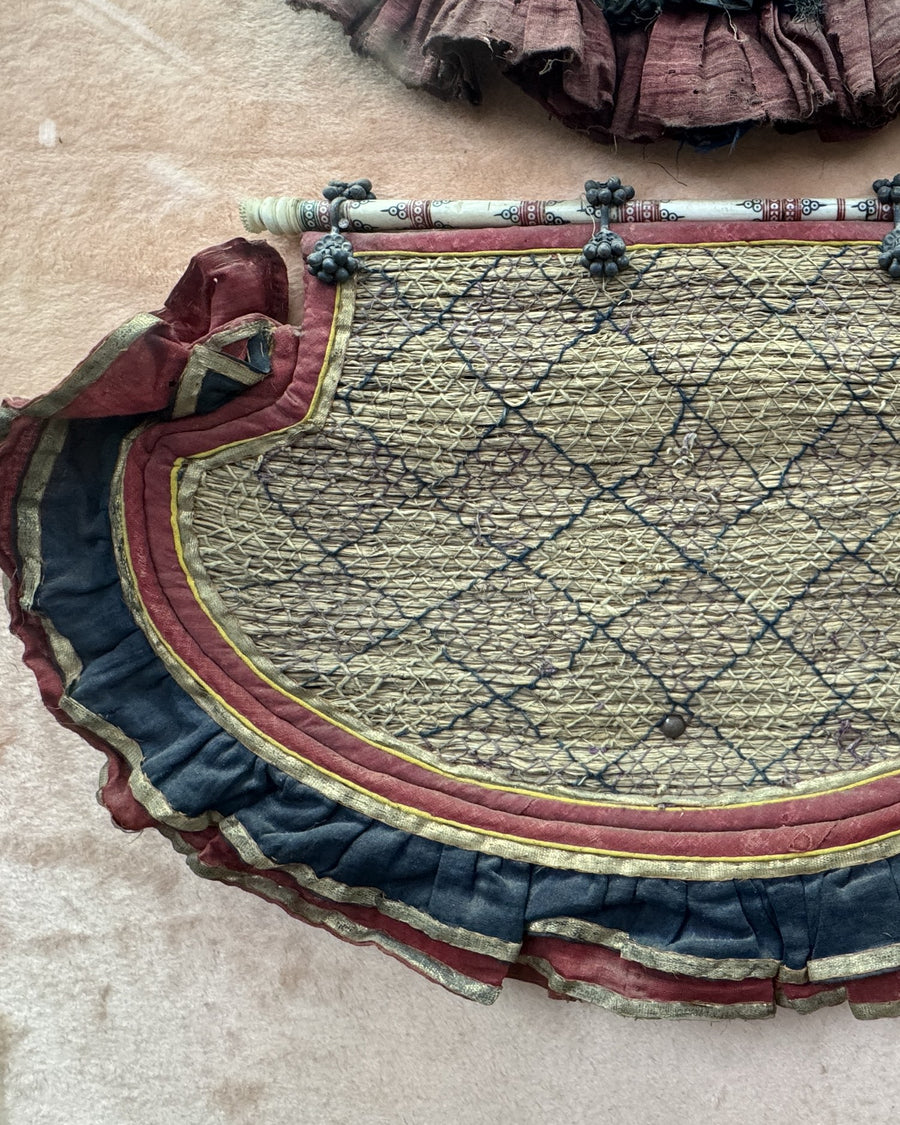
Zari, worked open
The ground is net. The lattice across it is stitched, not printed.
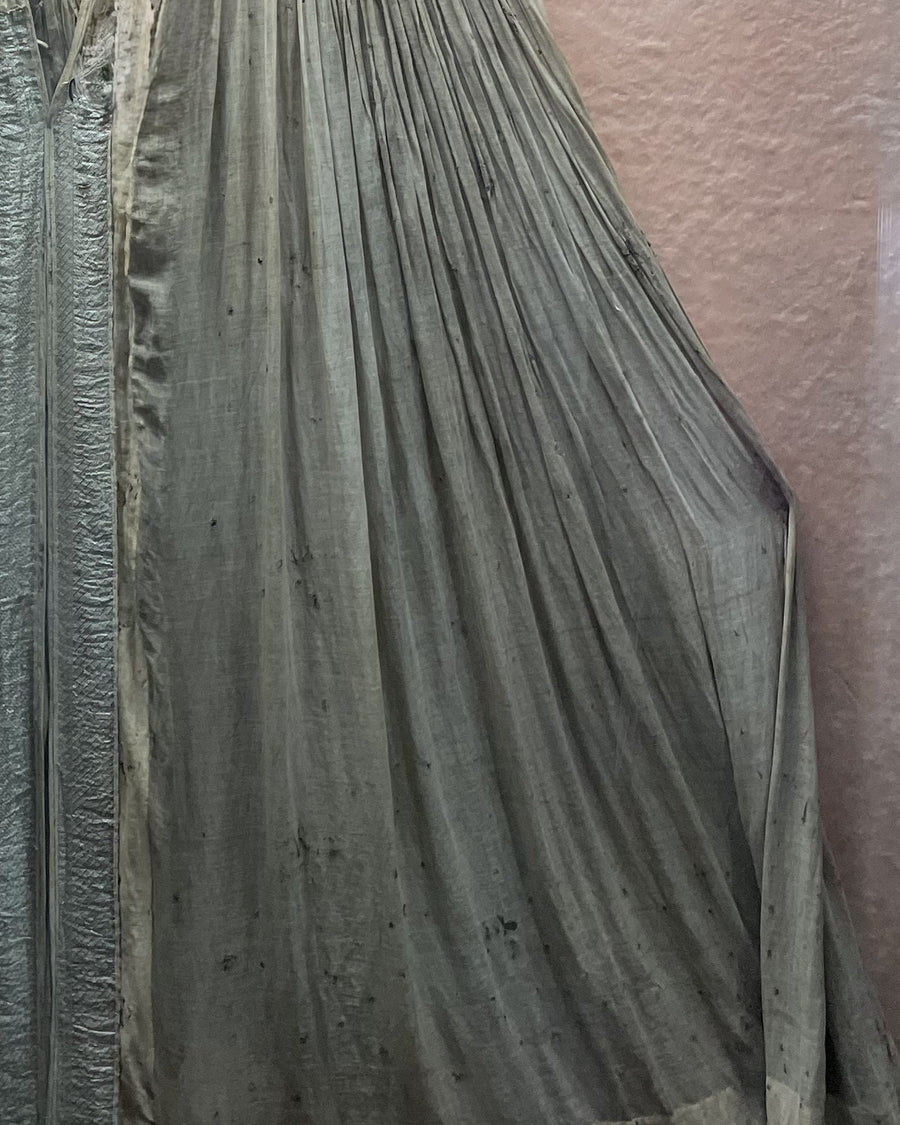
Pleating
Fine and unpressed. Held at the waist, and left to fall.
These are records of technique, not garments for sale.
How a commission begins
It begins with a conversation. We talk about the occasion, the cloth, and how you want to move in it. Then we take your measurements. Nothing is cut until the drawings and the deposit are agreed.
After that the work is slow on purpose. Hand embroidery is counted in hours rather than days, and a piece is finished when it is finished, not when a calendar says so.
We hold appointments privately, and at trunk shows by invitation. Nothing is kept in stock and nothing is sold online.
Request an appointment
Tell us a little, and we will write back ourselves.
We reply to every enquiry ourselves.